CBAM: Europas kohlenstoffarmes Aluminium ist durch eine große Aluminiumschrott-Lücke bedroht
Es sind dringende Maßnahmen erforderlich, um die Lücke im CBAM-Abkommen für Aluminiumschrott zu schließen, die Europas industrielle Wettbewerbsfähigkeit, Klimaschutzziele, strategische Autonomie und Ziele der Kreislaufwirtschaft untergräbt.
Der EU-Grenzausgleichsmechanismus für CO₂ (CBAM) ist ein wegweisendes Instrument zur Ausweitung der CO₂-Bepreisung in Europa auf importierte Produkte. Er soll einen fairen Wettbewerb zwischen EU-Unternehmen und solchen in Ländern mit weniger ambitionierter Klimapolitik gewährleisten. Der CBAM dient sowohl als Klimaschutzinstrument als auch als Mechanismus zum Schutz der Wettbewerbsfähigkeit europäischer Unternehmen, die sich einer nachhaltigen Zukunft verschrieben haben.
Die aktuellen CBAM-Regeln weisen jedoch einen entscheidenden Mangel auf: Sie berücksichtigen nicht alle CO₂-Emissionen importierter Aluminiumprodukte und untergraben damit die Grundprinzipien, die CBAM eigentlich schützen soll. Zwar hat die Europäische Kommission vorgeschlagen, Produktionsabfälle in CBAM einzubeziehen, Produktionsabfälle bleiben jedoch weiterhin ausgeschlossen, wodurch eine erhebliche Lücke im System entsteht. Dies gefährdet sowohl Europas globale Klimaziele als auch die Wettbewerbsfähigkeit von Branchen, die sich im Übergang zu einer kohlenstoffarmen Wirtschaft befinden.
Das Problem
Nach der aktuellen Methodik des CBAM werden für eingeschmolzenen Aluminiumschrott null Emissionen und somit null CO₂-Kosten angesetzt. Während nun vorgeschlagen wird, auch Produktionsabfälle in den Anwendungsbereich einzubeziehen, werden Produktionsabfälle weiterhin als emissionsfrei behandelt und bleiben vom Mechanismus ausgeschlossen. Dies verschafft Herstellern außerhalb der EU einen erheblichen Kostenvorteil, da sie die CO₂-Kosten im Rahmen des CBAM umgehen können, während europäische Hersteller aufgrund des EU-Emissionshandelssystems (EU-ETS) zahlen müssen. In der EU sind diese Kosten im Aluminiumpreis entlang der gesamten Wertschöpfungskette, einschließlich des Schrottpreises, enthalten, der eng mit dem Preis von Primäraluminium verknüpft ist. Infolgedessen tragen europäische Recyclingunternehmen und Hersteller die volle CO₂-Kostenlast, während ihre internationalen Wettbewerber davon nicht betroffen sind.
Schätzungen zufolge könnte bis zu ein Drittel der europäischen Aluminiumrecyclingkapazität gefährdet sein, wenn diese Gesetzeslücke nicht geschlossen wird.
Manchmal wird argumentiert, dass der Ausschluss von Altmaterialien aus dem CBAM die Kreislaufwirtschaft fördert. In der Praxis dürfte jedoch das Gegenteil der Fall sein. Indem Recyclingkapazitäten außerhalb der EU vor CO₂-Kosten geschützt, europäische Recyclingunternehmen hingegen diesen ausgesetzt werden, besteht die Gefahr, dass Recyclingaktivitäten und -investitionen ins Ausland verlagert werden, anstatt die Kreislaufwirtschaft innerhalb Europas zu stärken.
Aluminiumschrott macht einen bedeutenden Anteil des globalen Aluminiummarktes aus. Die derzeitige Ausnahme von Altmetall ermöglicht es fast 25 Prozent des weltweiten Aluminiumaufkommens, die CBAM-Kosten zu umgehen. Bis 2035 könnte diese Gesetzeslücke dazu führen, dass europäische Recyclingunternehmen im Vergleich zu ihren Wettbewerbern außerhalb der EU mit über 10 Prozent höheren Inputkosten konfrontiert sind, was mehr als 200 Euro pro Tonne Aluminium entspricht. Dieser Kostennachteil ähnelt der Krise, die die Aluminiumindustrie während des Energiepreisanstiegs nach Russlands Invasion in der Ukraine traf, nur dass er diesmal die europäische Industrie dauerhaft belasten könnte.
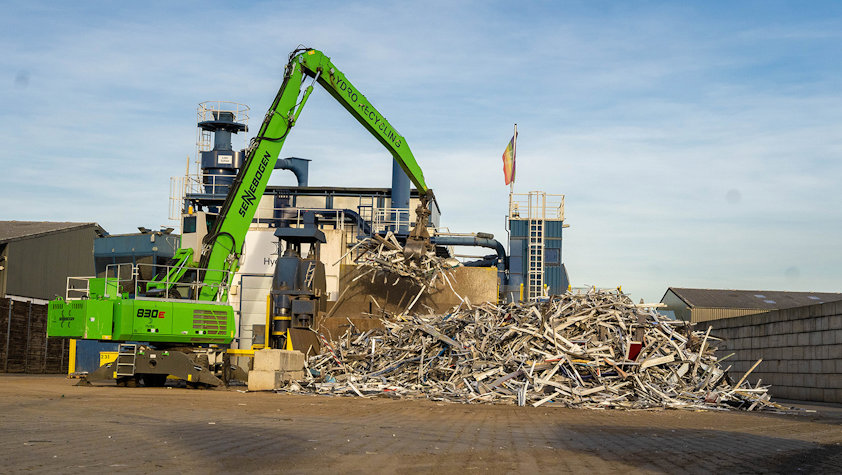
Ausländische Wettbewerber können Aluminium unterdessen zum gleichen Preis wie europäische Produzenten nach Europa verkaufen und zahlen dabei deutlich geringere CO₂-Kosten. Dadurch erzielen sie hohe Gewinne auf Kosten der europäischen Industrie.
Die Gesetzeslücke könnte ausländische Produzenten auch dazu verleiten, die Schrottmengen künstlich aufzublähen, indem sie Aluminiumschrott überproduzieren, ihn einschmelzen und unter irreführenden Behauptungen, er sei „kohlenstofffrei“, nach Europa exportieren.
Dies untergräbt den Zweck des CBAM und schwächt die globalen Anreize zur Dekarbonisierung, während es gleichzeitig die EU-Verbraucher in die Irre führt. Das Offenlassen solch großer Schlupflöcher zur Ausnutzung entzieht der EU und ihren Mitgliedstaaten zudem wichtige CBAM-Einnahmen.
Fragen und Antworten: CBAM und Schlupfloch bei Aluminiumschrott
Hydro's main concern is that CBAM's current design creates an unfair competitive disadvantage for EU/EEA low-carbon aluminium producers and recyclers. While pre-consumer scrap content is now proposed to be brought into scope, the regulation continues to assign zero emissions to post-consumer aluminium scrap content in imports, which means foreign competitors can sell remelted aluminium in the European market without incurring the same carbon costs as EU producers. This creates a massive loophole in the system. This undermines the fundamental principle of CBAM, namely, equal costs for equal emissions, and threatens the competitiveness of the European aluminium industry while failing to properly incentivize global decarbonization.
The current proposal would allow a significant share of aluminium, around 25 percent of global supply in the form of post-consumer scrap, to enter the EU without equivalent carbon costs. While European producers face implicit carbon costs through the EU ETS, non-EU producers can reclassify material as “carbon-free” scrap, reaping windfall profits. This creates a clear incentive to overdeclare post-consumer content, allowing imports to avoid CBAM costs despite their underlying emissions.
No. Excluding post-consumer scrap does not support the circular economy, it shifts it. Circularity is not just about recycling rates, but where and how recycling takes place. European recyclers have invested heavily in advanced, regulated recycling technologies and operate under strict environmental and labor standards. By contrast, in parts of the world, sorting is often manual and less regulated. By allowing recycled aluminium produced outside the EU to enter without equivalent carbon costs, while European recyclers continue to face them, the current approach risks shifting recycling activity and investment abroad, at the expense of Europe’s circular economy and strategic autonomy.
The most effective solution is to include all scrap based aluminium imports in CBAM and assign scrap content a default carbon value equivalent to primary aluminium. This requires extending the current proposed approach beyond pre-consumer scrap to also include post-consumer scrap content. This would ensure imported products reflect their true carbon footprint and prevent circumvention through misreported use of scrap.
Additionally, the European Commission must introduce robust verification mechanisms for the declared recycled content of imported aluminium to prevent circumvention.
With post-consumer scrap content still outside of CBAM, the current proposed change to CBAM design still leaves an uneven playing field: while EU producers face full carbon costs through the EU ETS, imports can avoid them where post-consumer scrap, around 25 percent of global aluminium supply, remains excluded from CBAM. This gap creates a strong incentive to misdeclare recycled content. In practice, once aluminium is melted, it is indistinguishable, making it extremely difficult to verify at the border whether scrap is pre or post-consumer. The result is a system that can be easily exploited, allowing imports to avoid carbon costs while European recyclers face a growing disadvantage, putting up to one third of EU recycling capacity at risk.
If left unchanged, CBAM will:
- Worsen carbon leakage by imposing a lasting cost burden on European industry, echoing the energy crisis after Russia’s invasion of Ukraine.
- Increase costs for European aluminium producers and recyclers while giving foreign competitors a major cost advantage. Therefore, reducing European competitiveness.
- Incentivize the misdeclaration of pre-consumer scrap content as post-consumer scrap in order to evade CBAM costs, undermining genuine decarbonization efforts.
- Jeopardize Europe’s strategic autonomy in critical raw materials, particularly in defense and the energy transition.
Hydro supports CBAM, provided it achieves its intended objectives: protecting Europe’s low-carbon aluminium industry from carbon leakage and driving decarbonization abroad. This requires urgent action to close the scrap loophole, extend the scope to downstream products and limit coverage to direct emissions only. Without these corrections, CBAM risks losing effectiveness and inadvertently disadvantaging European industry.
Yes. In addition to the scrap loophole, Hydro is deeply concerned about the effects of including indirect emissions from electricity on top of direct emissions, as well as the limited CBAM product scope. Indirect emissions are currently out of scope for CBAM on aluminium, but the European Commission is assessing whether to include it at some point. The inclusion of indirect emissions would unfairly disadvantage European aluminium producers who already face high indirect carbon costs from the EU ETS due to the European marginal pricing system for electricity. These indirect carbon costs are unique to Europe. If indirect emissions are added while the ETS indirect carbon cost compensation is removed, it would significantly increase costs for EU producers, including those using 100 percent renewable energy, while this cost would not be mirrored for third country producers.
The aluminium industry’s request is that indirect emissions should be excluded from CBAM until the European grid is much closer to decarbonization and the carbon price element in the power price is substantially lower. Hydro also maintains that ETS indirect carbon cost compensation, which is given by national governments to certain energy and trade intensive industries, is a far superior tool to protect industry against carbon leakage and therefore should be extended post 2030.
Furthermore, another issue is the current CBAM scope covers primary aluminium and some semi-finished products, but it does not cover many finished goods. This could lead to increased costs across the entire supply chain, creating a risk of carbon leakage. The scope remains incomplete, leaving many aluminium intensive products outside the mechanism, while its delayed implementation creates a window for carbon leakage to shift further down the value chain. Without a broader and earlier inclusion of downstream products containing aluminium, combined with a robust and consistent methodology, the extension could increase costs for European downstream producers while allowing imports to retain a structural cost advantage.
There are calls for removing aluminium from CBAM entirely. While it is true the aluminium industry did not initially advocate for CBAM, Hydro is committed to making the mechanism work as intended. If CBAM is not properly reformed, free allocation under the EU ETS remains a more effective tool for preventing carbon leakage provided it is maintained at least at current levels. Moreover, CBAM must not replace indirect carbon cost compensation as a carbon leakage protection measure.
Secondly, aluminium is often treated alongside steel in CBAM design, but the two sectors differ in fundamental ways. As a result, the policy response cannot be identical. CBAM must be tailored to sector specific realities, including the treatment of scrap, rather than applying a one size fits all approach that risks creating distortions for the aluminium value chain.
Hydro is investing in carbon-free aluminium production through renewable energy sources and advanced recycling techniques. However, the current CBAM structure makes it harder for Hydro to compete against non-EU producers who can bypass carbon costs through the scrap loophole.